What is the best diet for PMOS (PCOS)? A guide to what to eat with PMOS.
What is the best diet for PMOS/ PCOS?
If you’ve been diagnosed with PMOS/ PCOS, you may have been told that it can be managed through diet and lifestyle. But a quick search online seems to bring up dozens of conflicting diets to follow and foods to avoid. How are you supposed to know what to eat if you have PMOS/ PCOS?
As explained by the International Evidence-based Guideline for PMOS, there isn’t one single diet you should be following, but there are some dietary principles that can support your health. These principles can support metabolic health and overall wellbeing. Their effects on symptoms and fertility vary.
Is there a specific PMOS/ PCOS diet?
Whilst some individual studies have looked at specific diets for PMOS, there isn’t a single diet that comes out as the best for everyone. What seems to be more helpful is following some general balanced eating guidelines, then personalising it to an individual’s needs.
The evidence suggests that the overall quality and sustainability of your diet matter more than following a particular diet label.
What should you eat if you have PMOS/ PCOS?
Around 70% of people with PMOS/ PCOS have insulin resistance -you can read more about insulin resistance and PMOS here. Because of this, eating in a way to support blood glucose (sugar) management may be helpful. It’s also why there is sometimes overlap between PMOS/ PCOS management and prediabetes/type 2 diabetes. The conditions aren’t the same, but do share common ground. For most people living with PMOS/ PCOS, you don’t need to track blood glucose levels or tightly track carbohydrate intake. However, knowing a few key principles around portion sizes and building a satiating meal or snack can be helpful.
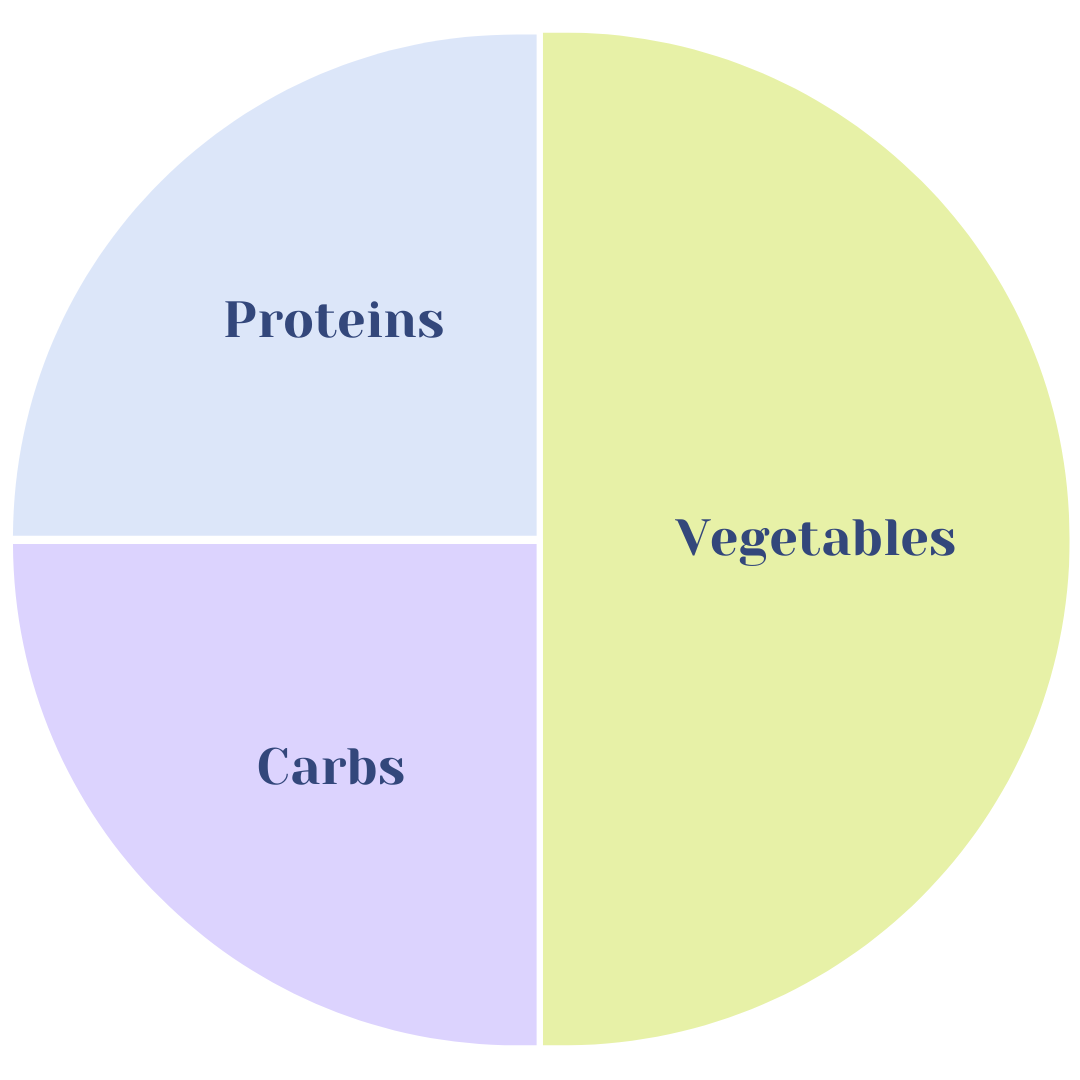
One way to visualise this is to build up a meal based on:
50% vegetables (or fruit)
25% protein
25% higher-fibre carbohydrate
Plus a portion of fat added.
You’ll sometimes hear this referred to as the T-plate model. Visually, it can help to imagine these foods separately on your plate, but of course in reality you don’t have to serve them this way. Your vegetables and protein may well be cooked in a sauce or stew together, or broken up into side dishes. Some examples could include:
Lentil curry + brown rice + spinach + yoghurt
Tofu stir-fry + wholegrain noodles + mixed vegetables
Chipotle chicken + wrap breads + crunchy slaw + avocado
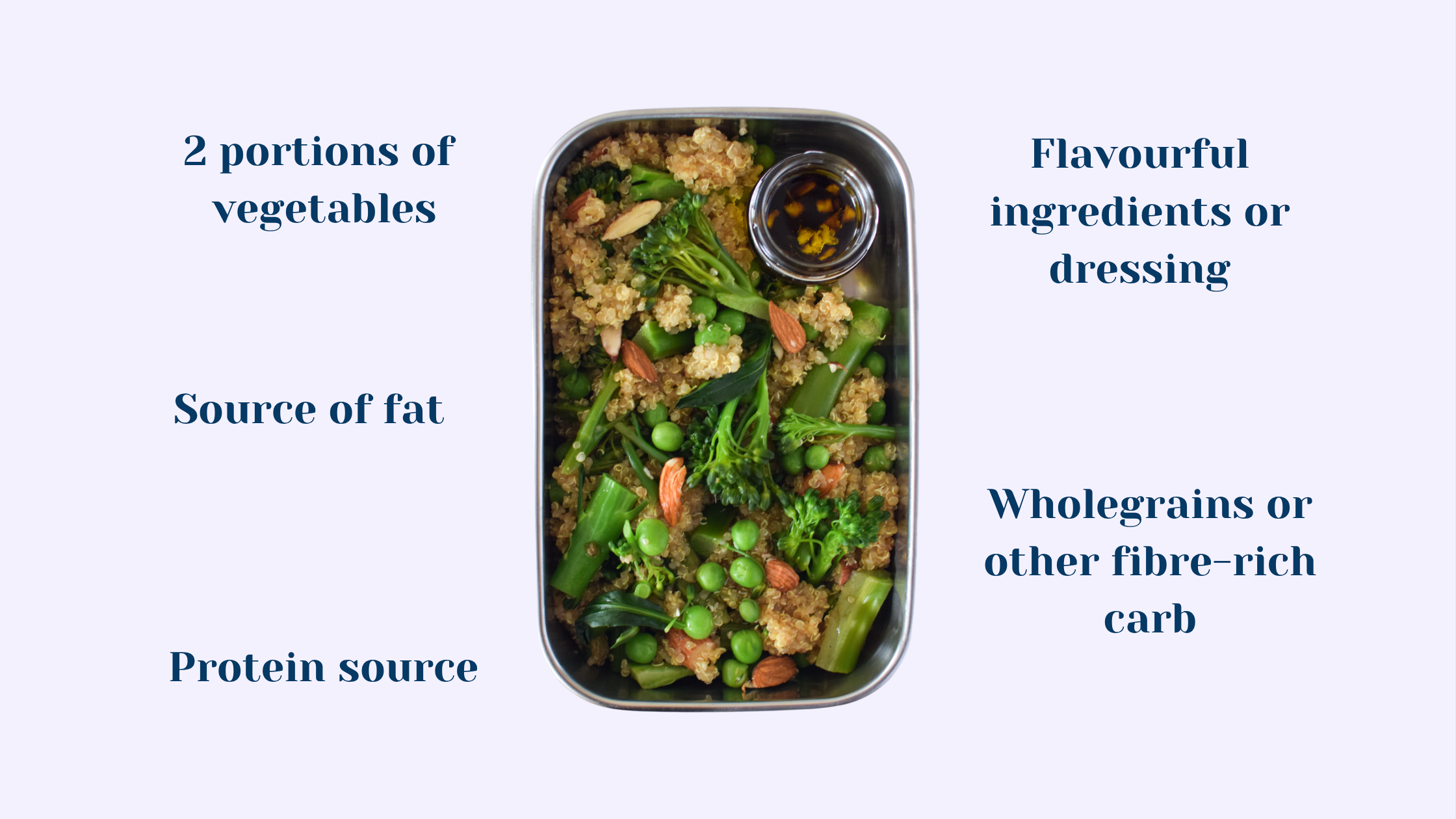
This approach is fairly simplistic, but can be a really helpful baseline. If it works for you, there’s no need to get more complicated. However, once you get comfortable with building meals in this way, you may find yourself wanting to tweak portions to suit you. If so, some considerations could include:
Are the vegetables in this dish starchy or non-starchy?
Is my protein source lean, fatty or starchy?
I go running a lot and need extra carbohydrates to fuel this
I’m having a starter of soup or a salad
Can I eat carbohydrates with PMOS/ PCOS?
Hopefully the paragraphs above have shown you that carbohydrates can -and should -feature in most PMOS diets. Carbohydrates are an important source of energy. They’re satisfying and taste delicious. Many carbohydrate-rich foods, particularly wholegrains, pulses, fruit and vegetables, are important sources of fibre. You do not have to fear carbohydrates. However, considering the quantity and type of carbohydrate can be important for PMOS management. Choosing carbohydrates that are higher fibre, wholegrain or less refined will digest more slowly will usually support better PMOS management. You’ll sometimes hear these referred to as lower-GI carbohydrates. Examples include:
oats
wholegrain/wholemeal bread
brown rice
wholewheat pasta
potatoes with skin
beans
lentils
chickpeas
fruit
Fibre and PMOS/ PCOS
Higher fibre foods support gut health, blood glucose management and keep you fuller for longer. However, the average Brit only eats 60% of the recommended amount of daily fibre. If you want to have more fibre, do so slowly to reduce the chance of bloating or discomfort. Give your body time to adjust! In the UK, the recommended daily fibre intake for adults is 30g. But how to increase fibre?
White bread → wholegrain bread
White rice → brown rice or mixed grains
Add lentils/beans to curries, pasta sauces and soups
Add extra vegetables to main meals (keep some frozen veg on hand to help here)
Keep the skin on fruit, vegetables and potatoes
Choose whole fruit rather than relying on juice
Add nuts and seeds to yoghurt, porridge etc.
Tip: unsure if a food is high fibre? If the food label says there is 3g or more of fibre per 100g, then it is a source of fibre. If it is over 6g fibre per 100g, then it is a high fibre food.
Protein for PMOS/ PCOS
These days it doesn’t feel like protein needs much of a PR boost; every food seems to have protein on the label or a high-protein alternative version available. Luckily, there is more than enough protein naturally occurring in normal foods. Protein is essential for a host of functions including supporting the immune system, maintaining bone health, building muscle and repairing tissues. Protein, like fibre, is satiating, keeping us fuller for longer. Eating carbohydrates alongside protein, fat or fibre can affect how quickly your meal is digested and how your blood glucose responds. You don't need to combine foods perfectly at every meal. It is this pairing of different foods that makes building a balanced plate so helpful for staying satisfied from meals.
Meat including poultry, pork, red meat and fish are all protein sources, but so are:
eggs
Greek yoghurt
cottage cheese
tofu/tempeh
beans
lentils
chickpeas
Quorn/mycoprotein
nuts and seeds (primarily a source of fat, but also contain protein and fibre)
Omega-3 fatty acids and PMOS/ PCOS
Primarily choosing unsaturated fats is a key part of building a balanced PMOS plate, but one type is especially helpful. Omega-3s are a form of polyunsaturated fatty acids. These fats have the additional benefit of reducing inflammation, something which can exacerbate PMOS symptoms. They come in three forms: DHA, EPA and ALA. Typically, DHA and EPA omega-3s come from oily fish, whereas ALA omega-3s come from plant based sources like chia and flaxseeds. Having two portions of fish per week, one of which to be oily is recommended, but if this is hard to achieve, you may prefer to eat a plant-based source daily, or consider a supplement.
Do I need to avoid sugar with PMOS/ PCOS?
Foods high in free sugars generally provide fewer essential nutrients than many other foods, but you don't need to eliminate them to eat well with PMOS. Although high sugar foods will increase blood glucose levels more than a balanced snack, this doesn’t translate to worse PMOS symptoms or increased diabetes risk on its own. It is your overall dietary and lifestyle habits over time that make the biggest difference. A diet that features sugar but allows you to have a good relationship with food, avoid bingeing due to restriction and be sociable (a hugely overlooked marker of health) is far healthier than a restrictive sugar free diet.
Is unrefined sugar okay?
The concept of refined vs unrefined sugar is sadly misleading. Although there may be subtle differences in nutrition and GI scores between maple syrup and cane sugar, you would have to be consuming them in very large quantities to notice a difference. Instead, it can be helpful to think about added or free sugars. This means any added sugars, including honey, maple syrup, agave, coconut sugar, but also fruit juices as the fibre has been removed. Whole fruit does not count as a free sugar. UK guidance recommends that free sugars provide no more than 5% of your daily energy intake.
The bottom line: what is the best diet for PMOS/ PCOS?
There isn't one.
A good PMOS eating pattern can include carbohydrates, protein, fats, fruit, vegetables, wholegrains and foods you simply enjoy.
Rather than looking for the perfect PMOS diet, focus on building a balanced, varied and fibre-rich pattern of eating that works for you.
Last reviewed: 9th October 2026
Written by: Eleanor Bowes. Eleanor is a researcher and AfN-registered nutritionist specialising in PMOS, prediabetes and postpartum nutrition. Her research involves developing, evaluating and refining behavioural interventions to improve nutrition, lifestyle and long-term health outcomes.